
Tilers Place is reader-supported. When you buy through links on this site, I may earn an affiliate commission on qualifying purchases.
HOW TO CHOOSE THE RIGHT TILE CUTTER : COMPLETE GUIDE
Picked out some tiles for your next project?
Not sure how to cut them?
This guide is for you!
From Marble to Ceramics and everything in between, this guide is aimed to provide you with the information you need to choose the right cutter or saw for your next job.
How To Use This Tile Cutter Guide
This guide is designed to tell you which tools are best to cut your tile, from straight to detailed cuts. Simply click on your tile and learn!
If you want to know the best products for cutting tile quickly, then go to my quick start guide.



Introduction – A Look At Tiles
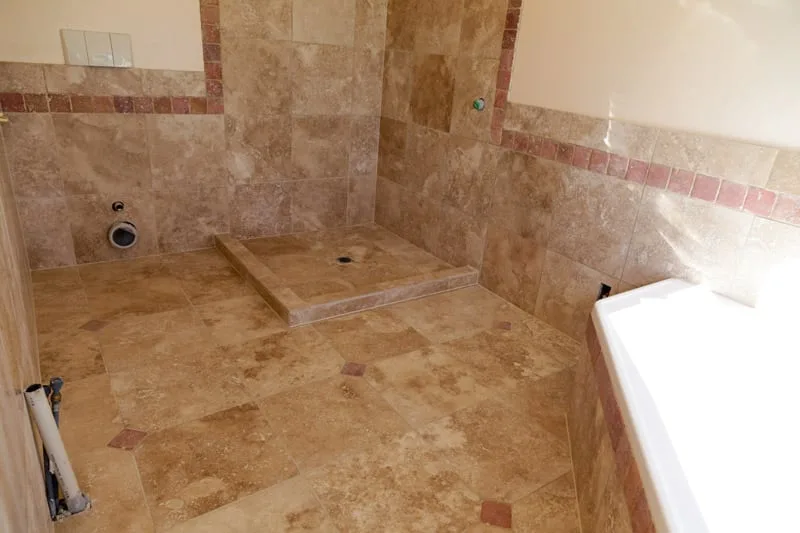
Tiles have become a very popular and proven choice for covering a wide range of substrates in both residential and commercial locations. Their hard wearing finish and endless range of designs mean there is a tile for every location and situation.
We all know tiles are made from refined clay however the additional processes the tile goes through after initial formation is what truly defines that tile.
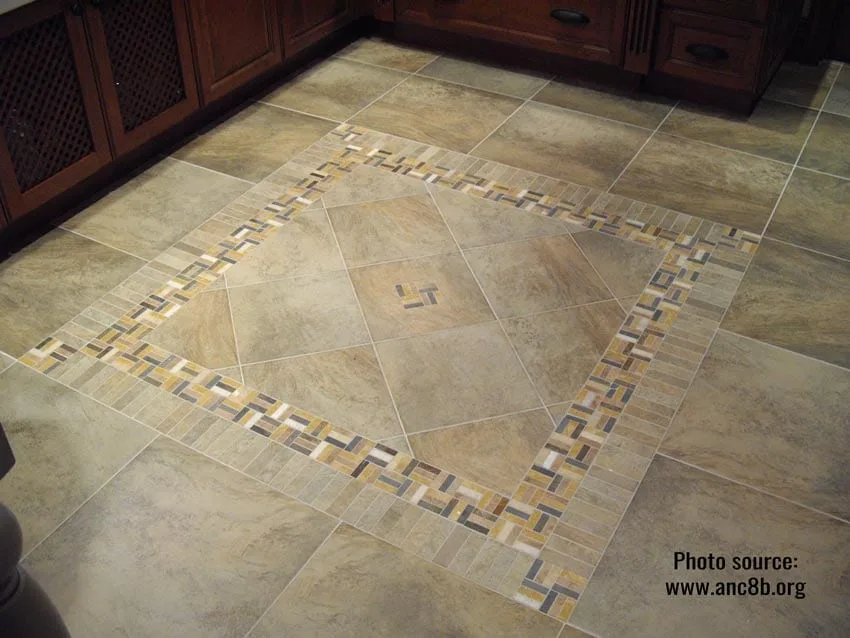
With every different process there comes a different degree of strength to the tile and it’s workability is greatly affected by these processes.
Throw in tiles made from natural stone like granite, and you have a true diversity of surfaces that you need to work with and figure out how to inevitably cut.
Now if it is your first time working with tile, not matter which finish or material it is, you will undoubtedly be thinking “How on earth am I going to cut this?”
Maybe you have worked with tiles before but have decided to tile your bathroom in a natural stone and have quickly realized your old tile cutter will not even put a dent in these thick behemoths.
This is where my guide comes in.
I will provide you with the knowledge to wisely choose the tools you will need for your next tiling project and point you towards the best to ensure you get a beautiful result with the least amount of work.
First up I will provide a quick guide to get you started on your selection and get you on your way.
After that I will lay down thick slabs of tasty information that will enable you to make an informed decision on your tile cutter acquisition and ensure you get the right one, first time!

Hi, my name is Carl and I have been tiling professionally for over 25 years.
In that time I have cut pretty much every material you can possibly cover floors and walls with and even a few that you shouldn’t!
I have gained a wealth of information in those years and I want to provide you the power to make the best and right decision on your next tile cutter.
Tile Cutter Quick Start Guide
If you want to jump to the information right away please view the list below↓
It will provide you with a basic guide to quickly find the cutter(s) required to complete your next job. Simply find the material you have and match it to the cutter.
Manual Tile Cutter
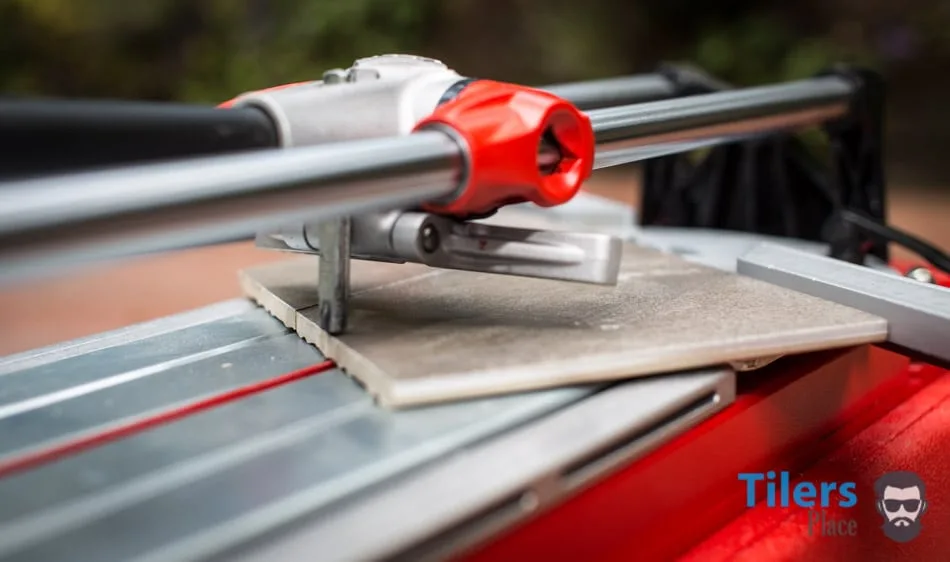
Manual Tile Cutter – USE FOR STRAIGHT CUTS
Able to cut these materials:
- Ceramic
- Porcelain
- Glass
- Terracotta (suitable cutter required like the TX-700-N)
Recommended Products:
Cheapest Option: QEP 24 Inch Tile Cutter – Ideal for small ceramics/porcelains
Medium Tier Option: QEP 35 Inch Manual Tile Cutter – Ideal for Large Ceramics
Best Option: RUBI TX-900-N 90 Inches – Ideal for Large/Jumbo Porcelains
Alternative Option: RUBI TX-700-N 70 Inches – Ideal for Large Porcelains
HandHeld Tile Saw/Angle Grinder
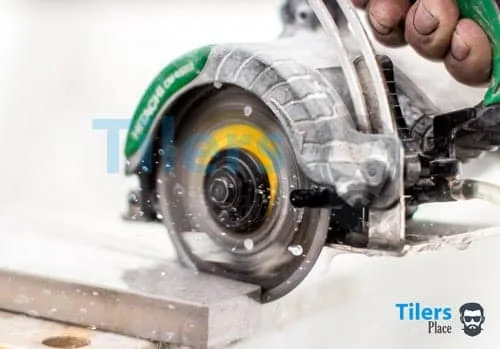
Hand held Tile Saw/Angle Grinder – Wet or dry – USE FOR DETAIL CUTS
Able to cut these materials:
- Ceramic
- Porcelain
- Glass
- Terracotta
- Mosaics
- Natural Stone
Recommended Tile Saws:
Cheapest Option :Ryobi 4 Inch Tile Saw
Medium Tier Option: DeWalt DWC860W
Best Option: Hitachi CM4SB2
Recommended Angle Grinder:
Cheapest Option: Bosch Corded Angle Grinder
Medium Tier Option: Milwaukee 6130 Corded Angle Grinder
Best Option: DeWalt DCG413B Cordless Angle Grinder
Wet Tile Saw
Wet tile Saw – USE FOR STRAIGHT CUTS
An all-round best choice for consistent results.
Able to cut these materials:
- Ceramic
- Porcelain
- Glass
- Terracotta
All forms of natural stone including:
- Slate,
- Marble,
- Granite etc.
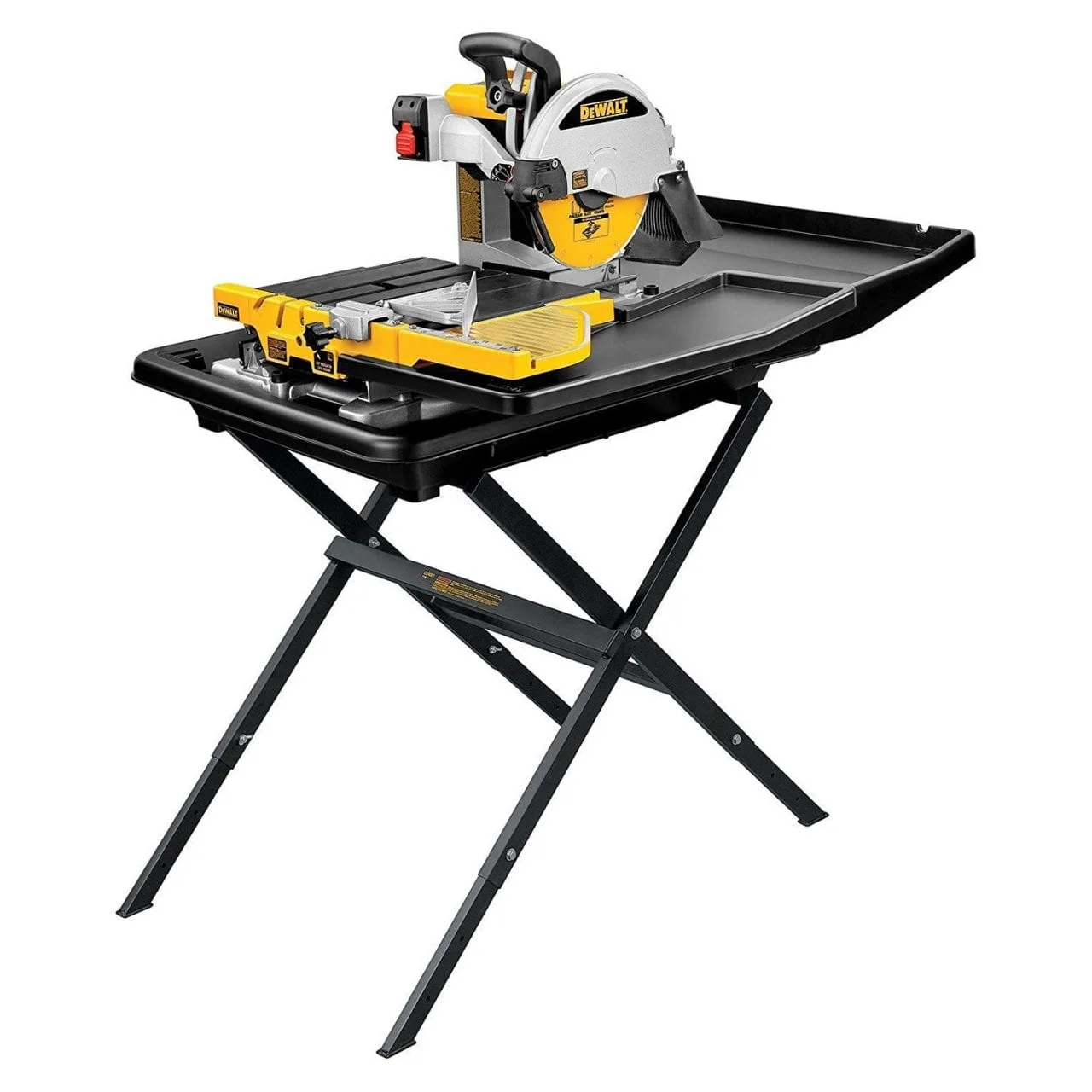
Recommended Products:
Cheapest Option : Skil 7 Inch Table Saw
Medium Tier Option: Dewalt D24000S
Best Option: Rubi DC250
Alternative Option: QEP 24 Inch Brutus
Back To Basics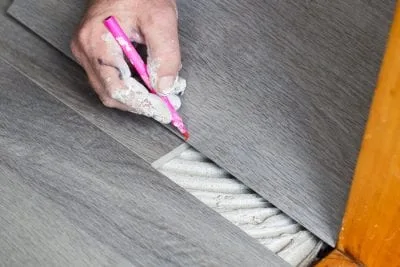
So she finally got to you, didn’t she?
Months of discussion, driving her to tile stores and Home Depot to check out tile samples, arranging them on the bench and tripping over stacks of home and garden magazines stacked in your throne room.
She finally got into your head and you agreed to tile that kitchen back splash.
After all, you know your way around a tool shed, know what most of the tools are at Home Depot and even have a few in your work shop/ man cave.
You built Timmy his tree house and fixed more than your fair share of things around the home, so how hard can it be to tile right?
You got your mastic glue, a bag of spacers and trowel and get to work. All goes well, you have a few tiles in and your wife is commenting;
“oh, it’s beautiful love”
It’s then when you run into the big problem. You realize your tile is covering the electrical outlet…
“How Am I going to cut this tile!”
After trying to nip the shape out with some tile nippers you realize you’re stuck.
“I know! I’ll take a look on Google” Your wife says as she pulls out her phone.
If this is you and you have indeed found my guide after such a problem or similar then welcome.
You have come to the right place!
First of all, if you truly are desperate and need to know how to cut a hole around an electrical socket or otherwise.
Read On ↓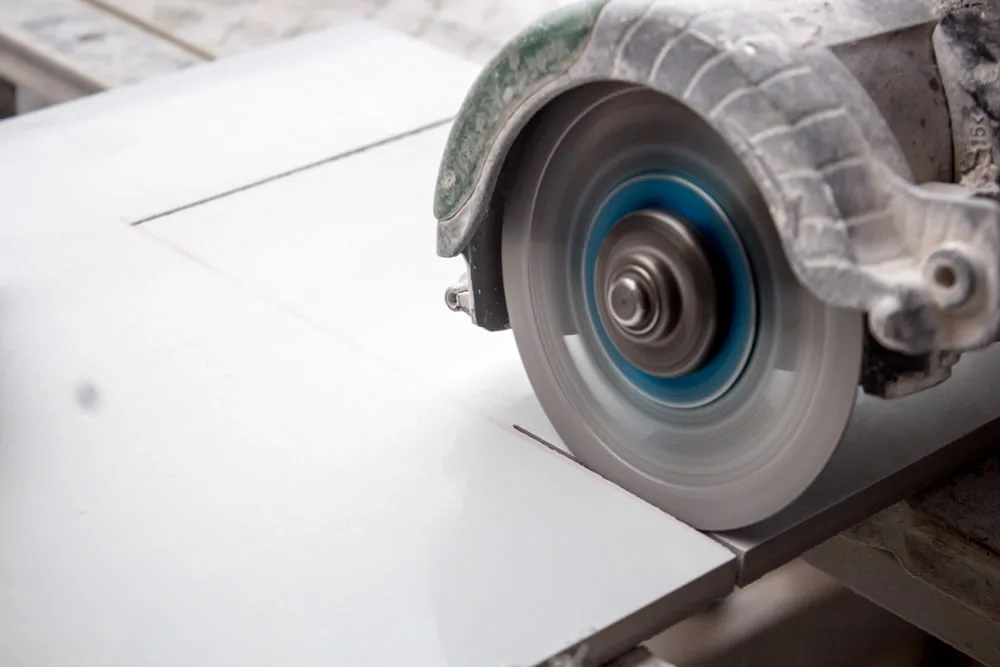
Any cuts that require more than one line cut into the tile or anything like a round hole you need a Tile Saw. It will perfect for such cuts and are very affordable.
If the electrical socket is in the corner of the tile then mark out the area you need to cut then make the two cuts from point to point until the cuts meet.
If the socket is in the middle of the tile then cut into your marked area and follow your marked lines until you have 4 cuts in the tile and they meet at their points.
Usually, you will need to flip the tile over and continue to meet the cuts on that side.
Once all four lines are connected flip the tile back over and try tapping the square of tile out.
Just remember, before you rush out and buy a tile saw make sure you have a decent diamond blade for it as well.
If you want to make an informed decision on which Tile Saw to get please read my Top 4 Tile Saw Review to find which one you will require otherwise take a look above at the suggested tile saws.
For all of you who are in the midst of planning a tiling job or have one coming up and you will be working with a material you have never worked with, c****ontinue reading and I will go through all your options and give you tips on cutting every tile type.
Ceramic Tile
A Brief History of Ceramic Tile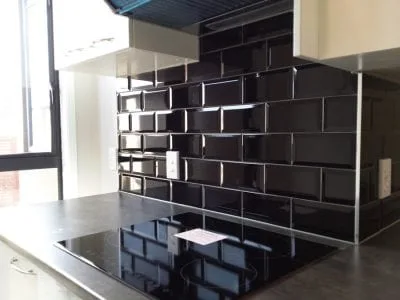
Ceramic tile is one of the softest forms of traditional tiles available on the market and one of the easiest tiles to cut.
Back before Porcelain was invented nearly all jobs I did involved ceramic tiles. They were cheap to produce and widely popular as the finished surface to have.
In the 90’s they were my bread and butter simply because back then there were not that many tile types around.
You had the more natural forms like Terracotta for outdoor entertaining areas and entrance ways while indoors had the more refined ceramic tile with a glazed finish.
Ceramic tile has become unpopular as a flooring surface due to the fact of its very high water absorbency.
Due to it being baked for much less compared to a Porcelain tile, the ceramic tile absorbs water like dry sand.
If that doesn’t sound so bad just remember not all water smells sweet.
Imagine you have ceramics in your bathroom. On the floor near your toilet or inside your shower stall.
Over time that thirsty ceramic will drink up all that not so sweet water and guess what.
It’ll begin to smell.
Really bad.
No amount of air freshener or scrubbing will remove the smell either as unfortunately it has penetrated into the tile and is here to stay.
The only way to get rid of the smell is to tear out the tiles and lay down a natural stone or porcelain.
Another side effect of this water absorbency is the tile becomes soft and brittle due to its structure being pulled apart by the water. I have seen many cracked tiles in shower bases due to this.
Simply put, it is not a good tile for wet areas or kitchens for that matter.
Apart from the water issue, it is overall a very soft tile with a glaze that is easy to chip.
How many glasses or knives have you dropped in your kitchen? Better hope you didn’t have Ceramic on the floor as if that object landed on it you’ll most likely have a large chip off the glaze or even a cracked tile.
Ceramic tiles are also banned from being used in any commercial or industrial application for these factors. It is not sterile or tough enough to withstand the demands.
So if their so bad, why use them at all?
It is not all bad with these tiles.
For instance, subway tiles have become very popular in modern design and plenty of tile manufacturers produce their version of a tile in that size and many of them are ceramic tiles.
In a kitchen or laundry, they make excellent back plashes as the amount of water hitting the tile isn’t enough to ruin their structural integrity or penetrate the glaze to create a smell.
Ceramic tiles are also very easy to work with and cut, hence why you may be here reading about them and installing them yourself.
How To Cut Ceramic Tiles?
I have laid more square feet of these tiles than I have eaten warm meals and after forty odd years on this fine old Earth, that’s a whole lot of hot meals!
So you can believe me when I say I know a thing or two how to cut these bad boys.
To cut Ceramic tiles like a regular subway tile or smaller format floor tile you will require:
The great part is that you won’t be requiring the top tier professional tools to cut these suckers so you will save a packet if you decide to do the job yourself.
Buying some cheaper tools for DIY home installations may prove to be cheaper than renting as you will have the tools on hand whenever you add more tiles or if you will need to make repairs in case a tile is broken down the line.
One thing I guarantee is tiles do break after installation, usually just due to regular wear and tear, so having your own cutter on hand will prove a big time saver down the track.






Leave a Comment
Your email address will not be published. Required fields are marked *
Comments are currently closed for new submissions.